
Full-arch implant treatment usually runs over about four to six months from the first consultation to the final bridge, and most of that time is spent healing at home rather than sitting in the chair. The full arch implant timeline typically includes seven kinds of appointment: records, planning, surgery, a first-week review, healing checks, the final bridge visits and then routine maintenance. Survival rates for full-arch implant bridges are often reported above 90 to 95 percent at five to ten years, though individual results vary. Here is what happens at each visit.
Written by Dr James Tran, general dentist at Lumi Dental, Melrose Park. BDent (University of Sydney), Graduate Diploma in Oral Implants.
The short version
- Full-arch treatment is a sequence of visits rather than one operation: records, planning, surgery, review, healing checks, final bridge, then maintenance.
- The implants are placed in a single surgical visit, usually four to six per arch, and a temporary fixed bridge is often fitted the same day or within about 24 to 72 hours.
- Bone healing around the implants (osseointegration) takes roughly three to six months, longer where grafting was needed.
- The final bridge is usually fitted around four to six months after surgery, after new scans and a try-in.
- Expect a soft diet for roughly six to twelve weeks while the implants settle.
- A good first visit answers your questions before you commit; see our guide to questions to ask at an implant consultation.
Before surgery: consultation, records and planning
Appointment 1: consultation and records
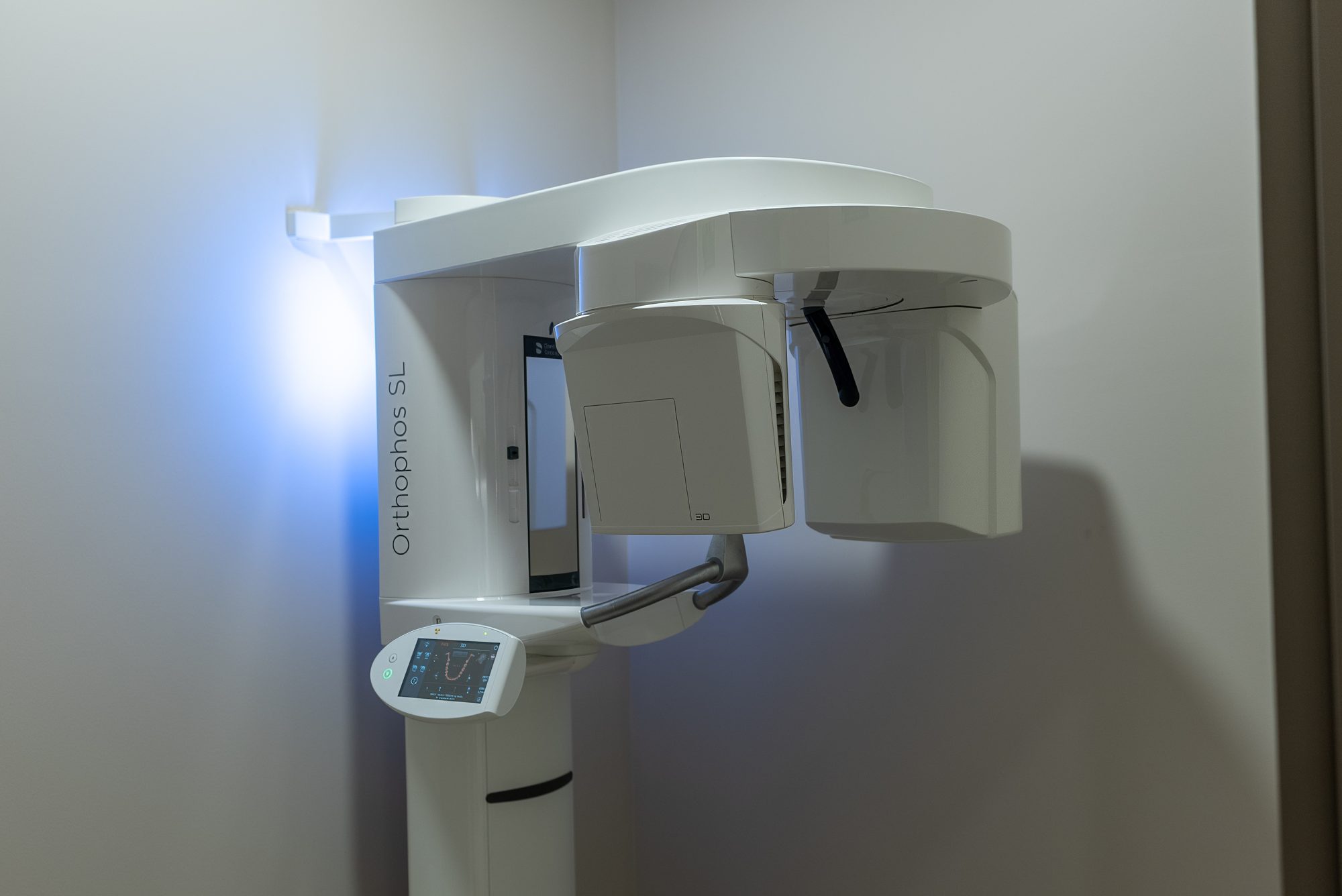
The first visit is mostly about gathering information. We take a full medical history, including medications, because some conditions and medicines affect how bone heals. The examination covers the remaining teeth, the gums, the bite and the shape of the jaws. We then take a CBCT 3D X-ray, which shows bone height and width and the position of nerves and sinuses, along with intraoral scans and clinical photographs.
This is also where the two main full-arch options are discussed: a fixed bridge that screws onto the implants and stays in, or an implant overdenture that clips on and comes out for cleaning. The right choice depends on bone, budget, dexterity and preference. Our comparison of dentures versus All-on-X full-arch implants covers the trade-offs.
Appointment 2: the planning visit
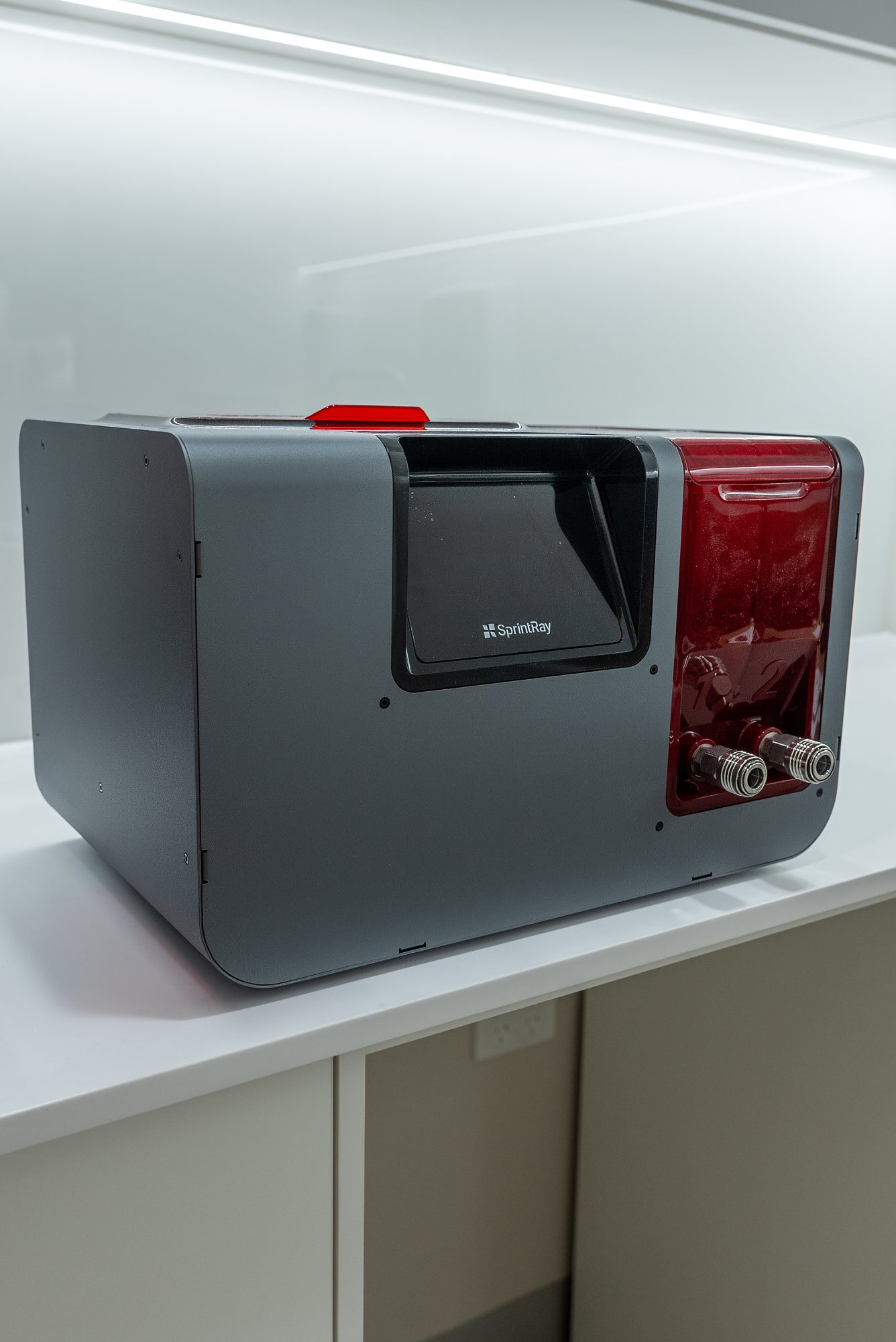
In my experience, this is the visit where the real decisions get made. The CBCT and scans are merged into a digital plan that sets the number and position of the implants, commonly four to six per arch depending on bone volume and which jaw is being treated. From that plan a surgical guide and a provisional (temporary) bridge are designed, often 3D printed in advance. How many implants are chosen, and why, is explained in our article on how many dental implants you need.
You leave this visit with a written plan and quote and instructions for the days before surgery. Any teeth that need removing are usually taken out on surgery day itself, unless an infection needs settling first.
Surgery day: implants placed and a temporary bridge fitted
Surgery is a single long appointment, often a few hours. Most patients choose IV sedation combined with local anaesthetic, so they are relaxed but breathing on their own, and they need someone to take them home afterwards. Any remaining teeth in the arch are removed, the bone is shaped where needed, and the implants are placed, usually through the surgical guide so they land where the plan intended.
Each implant is then tested for how firmly it grips the bone, known as primary stability. If the implants are stable enough, commonly quoted as an insertion torque of around 35 Ncm or more, the provisional bridge can be connected the same day or within about 24 to 72 hours. This is what people mean by "teeth in a day", and the evidence behind it is covered in our guide to immediate-load dental implants. If stability is not adequate, the implants are left to heal under the gum and a removable denture is worn in the meantime. That is not a failure, just a more conservative path to the same result.
The healing phase: the first week to about six months
Appointment 4: the first week review
Around five to ten days after surgery we check the surgical sites, remove or trim sutures, and look at how the temporary bridge meets the opposing teeth. What I check first at this visit is the bite, so that no single implant takes more load than it should. We also go through hygiene: a soft brush along the gum line, a water flosser under the bridge, and a rinse. Swelling and bruising usually peak around day two to three and settle over the first week or two.
Appointments 5 and onward: soft diet and osseointegration
For roughly the first six to twelve weeks the rule is simple: nothing that needs tearing or hard biting. Soft pasta, fish, eggs, well-cooked vegetables and smoothies are typical. Bone is still knitting onto the implant surface, a process called osseointegration, which takes about three to six months and longer where grafting was done. Heavy chewing in those early weeks can disturb it.
The final bridge phase and long-term maintenance
Appointments 6 and 7: new records, try-in and fitting
Once healing is confirmed, usually around four to six months after surgery, the temporary bridge comes off and new scans or impressions record the implant positions and the healed gums. The final design is tried in first, so tooth shape, shade, lip support and speech can be checked before anything is milled. The definitive bridge is then fitted and torqued to the implants, and the screw access holes are sealed. The two most common materials are acrylic on a titanium bar and monolithic zirconia; our article on zirconia versus acrylic full-arch bridges weighs them up.
Maintenance: every six months or so
A full-arch bridge cannot decay, but the gums and bone around implants can still become inflamed. Hygiene visits are typically every six months, and from time to time the bridge is unscrewed so the implants and the undersurface can be cleaned properly and the screws checked. When I see a bridge that has not been removed for a few years, the undersurface usually tells the story, so this step matters.
The full-arch timeline at a glance
| Stage | What happens | Typical timing | What you can eat or expect |
|---|---|---|---|
| Consultation and records | Examination, medical history, CBCT 3D X-ray, intraoral scans, photographs | Visit 1 | Normal diet; options discussed |
| Planning visit | Digital plan, implant positions, guide and provisional designed, written plan and quote | Usually a few weeks after visit 1 | Normal diet; pre-surgery instructions given |
| Surgery day | Teeth removed, implants placed, provisional bridge fitted if implants are stable | One long appointment | Liquids and very soft food; rest, swelling expected |
| First week review | Sutures checked, bite adjusted, hygiene coaching | About 5 to 10 days after surgery | Soft diet; swelling settling |
| Healing phase | Osseointegration, periodic reviews of gums and bridge | About 3 to 6 months, longer with grafting | Soft diet for roughly 6 to 12 weeks, then a gradual return to firmer food |
| Final bridge | New scans, try-in, fitting of the definitive bridge | Around 4 to 6 months after surgery | Normal diet once fitted; slight speech adjustment for a week or two |
| Maintenance | Hygiene visits, periodic bridge removal, screw check | Every 6 months or so, ongoing | Normal diet; daily cleaning under the bridge |
The temporary bridge is for healing, the final bridge is for life
The provisional bridge is deliberately lighter and simpler. It is there so you can speak, smile and eat soft food while the implants fuse to bone, and it is expected to need adjustment along the way. The final bridge is designed once the gums have settled and the implant positions are confirmed, in a stronger material and with the bite refined. Patients who treat the temporary as if it were the final one, by chewing hard food early or skipping reviews, are the ones most likely to see delays.
How we approach this at Lumi Dental
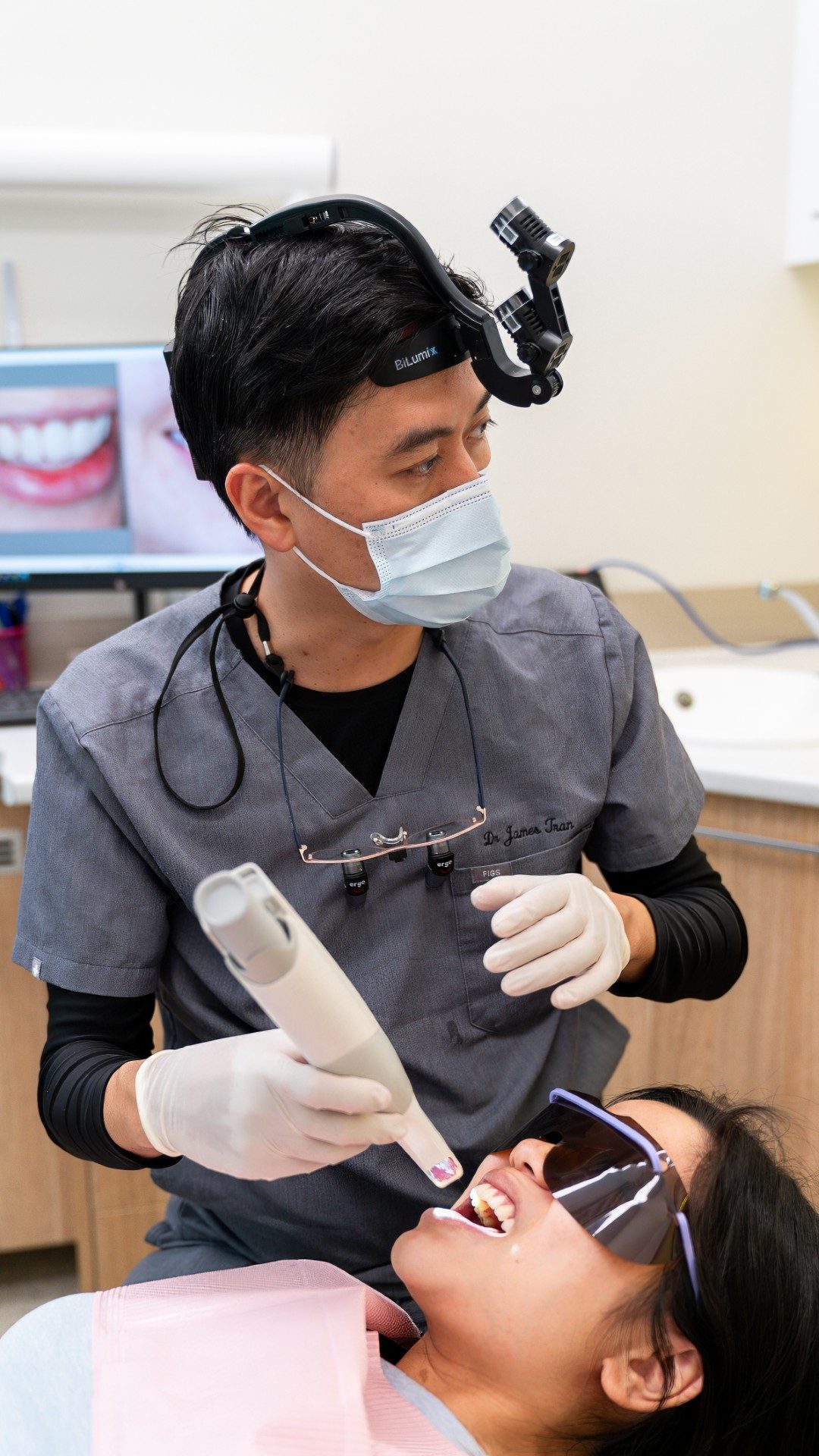
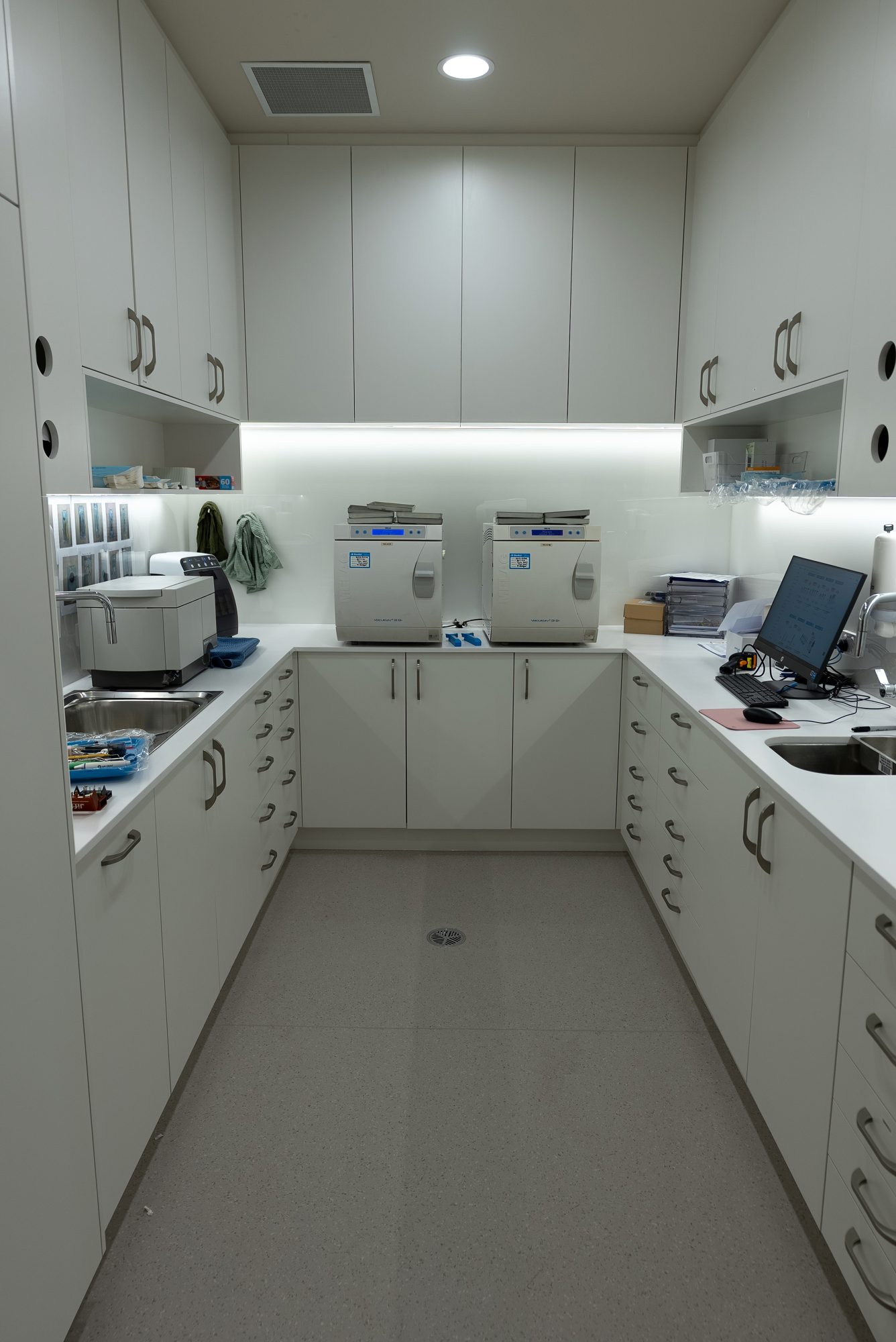
Full-arch treatment at Lumi Dental is planned digitally from the start. The CBCT (Orthophos unit), 3D intraoral scanning and clinical photography are all done on site at Melrose Park, and the surgical guide and provisional bridge are often printed in-house on the SprintRay printer. IV sedation is available at the practice for surgery day, and instruments are processed in a dedicated sterilisation room. Where a case needs a registered specialist, for example complex grafting, the team refers and coordinates rather than pressing on.
Questions patients ask
How long does full arch implant treatment take from start to finish?
Usually around four to six months from surgery to the final bridge, plus a few weeks of consultation and planning beforehand. Cases that need bone grafting first can take longer, sometimes closer to nine to twelve months.
Will I be without teeth at any point?
Usually not. If the implants are stable enough on the day, a fixed temporary bridge is fitted the same day or within a couple of days. If not, a removable denture is fitted so you are not left with a gap.
Is All-on-X the same as All-on-4?
They describe the same idea under different names. All-on-4 is a treatment concept trademarked by Nobel Biocare that uses four implants per arch. All-on-X is the broader, brand-neutral term for a full-arch bridge on whatever number of implants the plan calls for, often four to six.
How many appointments are there in total?
Most patients have around eight to twelve visits in all, including reviews. Only one is the surgery; the rest are shorter planning, review and fitting appointments.
When can I go back to work after surgery?
Most people take two to four days off. I usually suggest booking surgery late in the week so the weekend covers the days when swelling peaks. Strenuous exercise is best avoided for about a week.
Sources
- healthdirect Australia: Dental implant procedure
- Australian Dental Association (teeth.org.au): Dental implants
- Better Health Channel: Dental treatment, dental implants section
- PubMed, Esposito et al. (Cochrane review): One-stage versus two-stage implant placement
Book a complimentary full-arch implant consultation in Melrose Park
If you are weighing up full-arch treatment, the first step is a consultation and records visit where the team at Lumi Dental can assess your bone, talk through the options and give you a written plan and quote. Lumi Dental is at Melrose Central in Melrose Park, Sydney, near Ryde, Parramatta, Ermington and Rydalmere. Read about our dental implants and All-on-X full-arch implants services, or contact us to arrange a complimentary implant consultation.
About the author
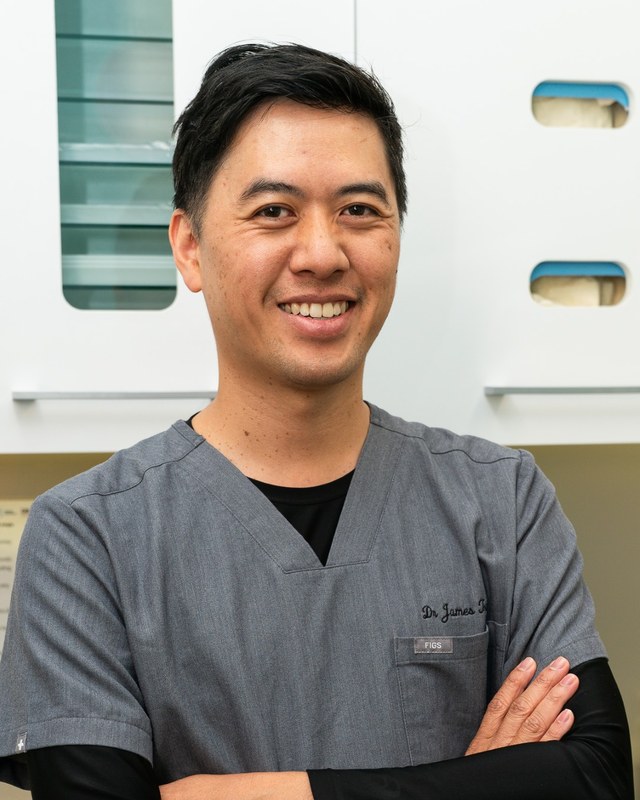
Dr James Tran is a general dentist at Lumi Dental in Melrose Park, Sydney, and is registered with the Dental Board of Australia. He holds a Bachelor of Dentistry from the University of Sydney and a Graduate Diploma in Oral Implants, is a Member of the International Congress of Oral Implantologists (MICOI), and is part of the General Dental Residency faculty. Read more about Dr James.
This article is general information and is not a substitute for advice from your own dentist after an examination. All dental treatment carries risks, and individual results vary.